
People often treat Odia’s cuisine as a kind of Bengali food. There is a confusion and also a food battle between the two states. No Odias or Bengalis can survive without rice and fish. As we are neighbouring states so our culture, tradition and cuisines have a greater similarities but we are definitely having our own variation in it. The evolution of a dish may be argued but the two states always stand in favor of each other whenever needed.
Let me share some facts regarding those dishes whose evolution is often disputed:-
➡️ The origin of Rasagola in Odisha can be traced to the 12th century when Lord Jagannath temple comes into existence. At that time this prasad is known as “Khira Mohana”. Rasagola is also a part of our culture, every year on the eve of Niladri Bije Lord Jagannath offers the sweet to Maa Lakshmi and the ritual is known as Bachanika.
➡️Dahi Macha is offered as a prasad in Maa Cuttack Chandi temple.
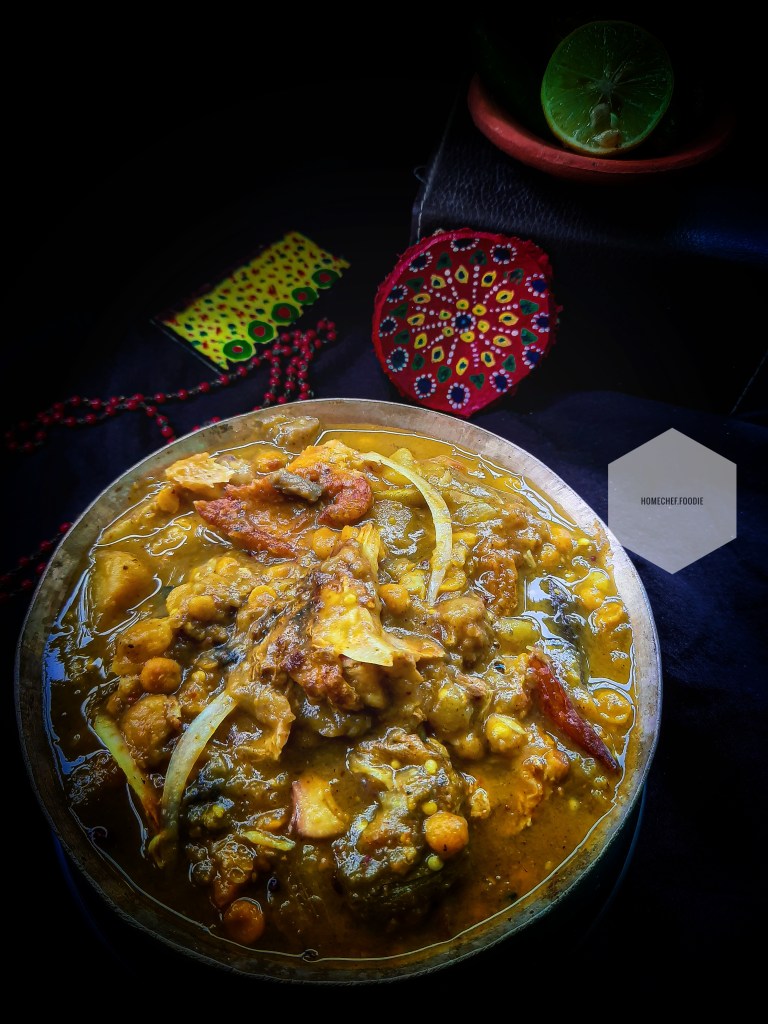
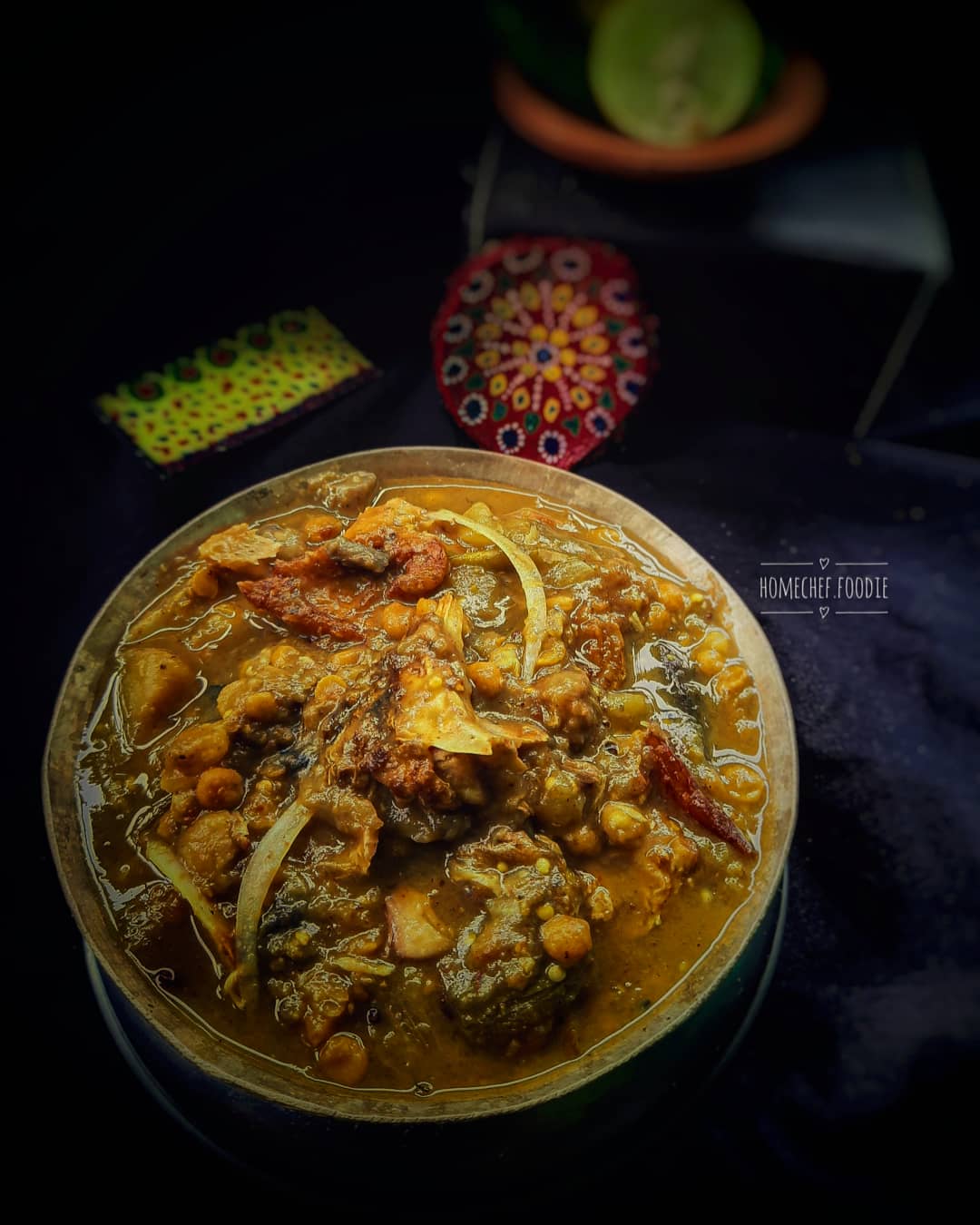
➡️Mudhi Ghanta where fish head and pieces are cooked with channa dal and vegetables is served in various devi pithas like Maa Ramachandi, Maa Baliharchandi, Maa Uttershwari etc.
➡️Where as facts claimed by Bengal is that,the spongy white rasgulla is believed to have been introduced in West Bengal in 1868 by Nobin Chandra Das in Kolkata. His descendants claim that his recipe was an original, but according to another theory, he modified the traditional Odisha rasagola recipe. In 2017, West Bengal was given GI status for Banglar Rasgulla. Odia Rasagola was declared different from Bengali Rasgulla and Odisha got its own Rasagola’s GI status on 29 July 2019.
➡️ Doi maach, Machhar matha diye dal is regarded as favourite of every bengali house.
Meenakshi Gupta in her book “The Calcutta Cook Book, a treasury of recipes from pavement to place” writes that odia cooks are referred to as “thakurs” and they cooked in bengali feast.They took Odia recipes to the kitchen of Bengal and with time it becomes one of there favourite. I will suggest you all to go through an article on Google “Odisha’s bitter food battle with Bengal” written by Diana Sahu.
But why this food battle?
I believe that we should focus on popularizing our Odia dishes and the facts related to it. So that no such confusion would ever arise. Cause the evolution of a dish depends on popularity and its adaptation in a particular region.
Recipe of mudhi Ghanta:-
- Wash chana dal and soak it in water for 3 to 4 hours.
- Wash and chop vegetables (potatoes, pumpkin, raw banana, carrot, colocasia, yam).
- Then boiled the chana dal, chopped vegetables with 1 tsp turmeric powder, salt and water in a pressure cooker for 1 to 2 whistles. Keep aside.
- In a bowl add fish head and 4-5 fish pieces marinate it with a pinch of turmeric powder and salt.
- Heat mustard oil in a pan and fry the fish till it becomes golden in color. Keep them aside.
- Heat mustard oil in a kadai, add crushed garlic ginger and green chillies, cook for a minute.
- Now add chopped onions and cook till it become golden in color.
- Then add ginger garlic paste, roasted cumin and red chilies powder,turmeric powder and salt in it. Mix everything.
- Fry till oil separates from the mixture.
- Add chopped tomatoes, coriander powder and garam masala in it. Mix everything, cook till tomatoes become soft and tender.
- Add fish head and pieces to the masala mixture and fry for 5 minutes with the masala.
- Add boiled chana dal and vegetables into it.
- Mix all the ingredients and add water let it boil.
- After that crush the fish head with the help of spatula. Let it boil for sometime.
Finally serve the dish with Rice and Roti.

 homechef.foodie